Heating and Cooling at the Gateway: Home Comfort in Troutdale
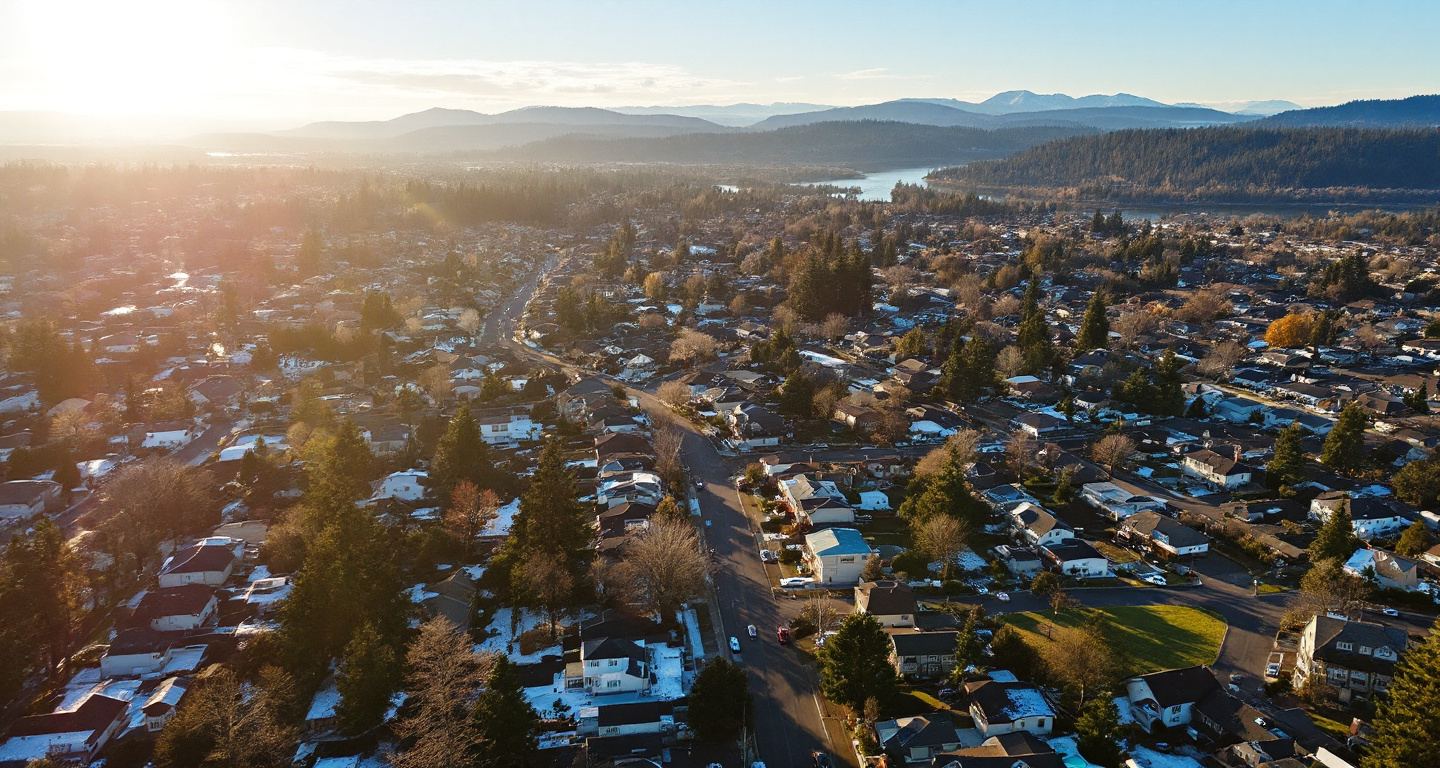
The Sandy River meets the Columbia just north of the older downtown, and the historic core along Columbia Avenue carries the compact character of a town that predates the freeway era. Newer subdivisions spread south and east toward the foothills, from mid-century ranches to larger newer construction. That mix of housing ages matters when thinking about heating and cooling, because older homes here tend to carry the gaps and insulation choices of their era, while the Gorge's wind loads demand tighter envelopes than many older buildings were built to provide. A general overview of home heating and cooling systems is at https://en.wikipedia.org/wiki/HVAC.
The East Wind and What It Means in Practice
The defining climate feature of Troutdale is the Gorge outflow event. When high pressure builds over the interior plateau east of the Cascades and low pressure sits over the coast, air accelerates through the Gorge channel and exits at Troutdale. The effect is not a typical winter cold snap. It is sustained wind at speeds that drop apparent temperatures far below what thermometers register, arriving sometimes with ice. The ice component matters because Troutdale sits at the transition zone where Gorge outflow cold air meets moisture from the west, producing freezing rain and ice accumulation that Portland proper rarely sees at the same intensity. A moderate cold event elsewhere in the metro can be a significant one here.
For heating systems, this creates a specific reliability question. A heat pump that performs well in the mild, overcast winters typical of inner Portland may be stretched when Troutdale temperatures drop toward freezing and wind chills push well below that. Dual-fuel configurations pairing a heat pump with a gas backup have historically made sense here precisely because of the few annual days when temperatures fall to ranges where heat pump efficiency diminishes and wind infiltration sharply raises heating demand. The backup does not need to carry the load all winter, but it needs to be reliable on the nights when the Gorge sends its most serious weather.
Insulation and Air Sealing as First Priorities
Because wind-driven infiltration is a recurring factor in Troutdale, the building envelope deserves attention that might feel excessive elsewhere. Gaps around windows, rim joist penetrations, attic bypasses, and uninsulated crawl spaces all allow cold air movement during outflow events. During a strong Gorge outflow, wind pressure against the windward side of a house is substantially higher than during typical winter conditions, forcing cold air through openings that would be inconsequential in still air.
Older homes in the historic center and mid-century subdivisions south of Powell Boulevard frequently have insulation levels that prove costly during cold snaps. Improving the envelope pays dividends no equipment upgrade alone can replicate. A home losing heat rapidly through its shell needs a larger, harder-working system, while a well-sealed home can be heated with smaller equipment running steadier, more efficient cycles.
Summer Cooling in the Gorge Shadow
Summer in Troutdale brings a different version of the same geography. The Gorge channels cooler air from the coast during marine pushes, and evening temperatures often drop more quickly here than in the western suburbs. At the same time, heat events during the summer can arrive with low humidity and remain intense for multiple days. The combination of cool evenings and genuinely hot afternoons makes Troutdale a reasonable candidate for systems that can take advantage of temperature swings, whether through night ventilation strategies or well-timed mechanical cooling.
The Sandy River corridor carries microclimates influenced by vegetation and terrain. Homes closer to the river tend to feel cooler in summer and experience more ground-level moisture in winter. Those in exposed locations on the eastern subdivisions face fuller wind and benefit most from careful attention to air sealing and cooling capacity sizing. For a local example of HVAC service in Troutdale, see https://sites.google.com/view/efficiency-heating-cooling/service-areas/troutdale.
Practical Priorities for Troutdale Homeowners
The combination of Gorge outflow risk, an older housing stock, and a summer heat pattern that includes genuine extremes points toward a few consistent priorities. Heating reliability during the coldest and windiest days deserves more weight here than in calmer parts of the metro. Envelope improvements tend to pay off disproportionately because wind infiltration amplifies the cost of any remaining gaps. Cooling capacity should account for the occasional but real heat events that affect the entire region. Any mechanical system serving a Troutdale home should be sized with the Gorge's specific weather personality in mind rather than general Portland averages, which consistently understate what homeowners at the gateway actually experience.