Heating and Cooling in Oak Grove: What Riverside Living Means for Your Home Comfort
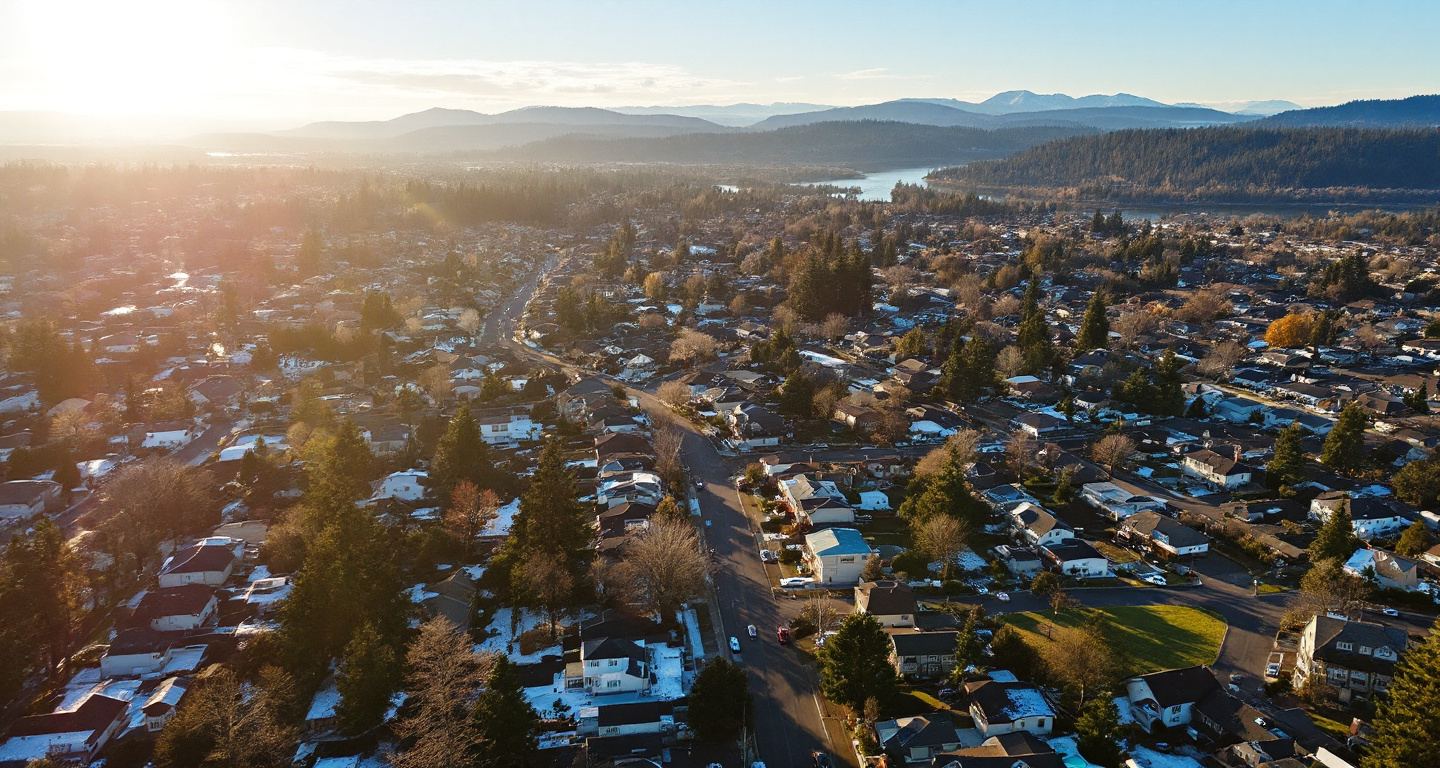
How the River and the Trees Change the Comfort Equation
Living adjacent to the Willamette introduces a persistent ambient humidity that homeowners a few miles inland do not contend with in the same way. During the long mild summers, evenings near the river rarely get as warm as areas farther from the water, but the moisture content of the air stays elevated, and a home near the riverbank can feel clammy in a way that a thermometer does not capture. Older homes with plaster walls, wood framing that has expanded and contracted for decades, and basements that may not have been sealed with modern techniques are especially prone to holding this moisture.
The mature tree canopy throughout Oak Grove is one of its most appealing features, but it creates a genuinely split microclimate. A home on a heavily shaded lot may stay cooler in summer without mechanical cooling, but the same shade suppresses passive solar gain in winter and can keep north-facing exterior walls damp well into spring. Conversely, a house on a sunnier lot near the bluff edge gets real solar benefit in the heating season but can see significant afternoon heat load in summer through west-facing windows. Regional efficiency-incentive information is at Energy Trust of Oregon.
Older Homes and the Ductwork Question
A substantial portion of Oak Grove's housing stock was built before forced-air systems became standard, meaning many homes have no ductwork at all, or ductwork that was retrofitted and may not be well-sized or sealed. Adding conventional ducted heating and cooling to these homes is expensive and often architecturally disruptive.
Ductless heat pump systems have become a practical answer throughout older Portland-area communities, and Oak Grove is no exception. A ductless system delivers efficient heating and cooling to specific rooms or zones without requiring walls to be opened for duct runs. For a riverfront home or a mid-century ranch where the original oil furnace or baseboard heat has reached the end of its life, a ductless system often makes more sense than a ducted retrofit. These units also handle humidity control in cooling mode, which matters near the river. For a local example of HVAC service in Oak Grove, see https://sites.google.com/view/efficiency-heating-cooling/service-areas/oak-grove.
The Heating Season Here
Oak Grove sits in the Willamette Valley's characteristic climate: wet, mild winters with heating loads that are real but not extreme compared to inland or higher-elevation parts of the region. The heating season runs from roughly late October through April, with the coldest stretches in December and January rarely pushing into severe cold for extended periods. Heat pumps operate efficiently here because winter temperatures generally stay within the range where their efficiency advantage over resistance heating is meaningful. In the occasional cold snap, backup heat may be needed, but those events are short enough that they do not undermine the case for heat pumps over furnaces. Just upriver, neighboring Oregon City is covered at https://sites.google.com/view/efficiency-heating-cooling/service-areas/oregon-city.
Practical Considerations Before You Upgrade
For Oak Grove homeowners weighing a new system, a few things are worth thinking through. The age and condition of the building envelope matters more than equipment efficiency ratings in many older homes here. Air sealing and attic insulation in a house built decades ago can reduce loads substantially before any equipment is selected. Basements and crawl spaces in riverside homes should be assessed for moisture intrusion before a new system is installed, since dehumidification needs and equipment placement depend on it. Third, if a home has an older oil or propane system, the transition to an electric heat pump is not just a comfort upgrade but a substantial change in utility cost structure that warrants a look at electrical service capacity.
Oak Grove's combination of older homes, river humidity, deep tree shade, and unincorporated character makes it a place where generic advice tends to fall short. The specifics of a given house, its lot, its exposure, and its original construction matter more here than in a newer subdivision where every home was built to similar standards.