Heating and Cooling in Sunnyside: What Eastside Homeowners Should Know
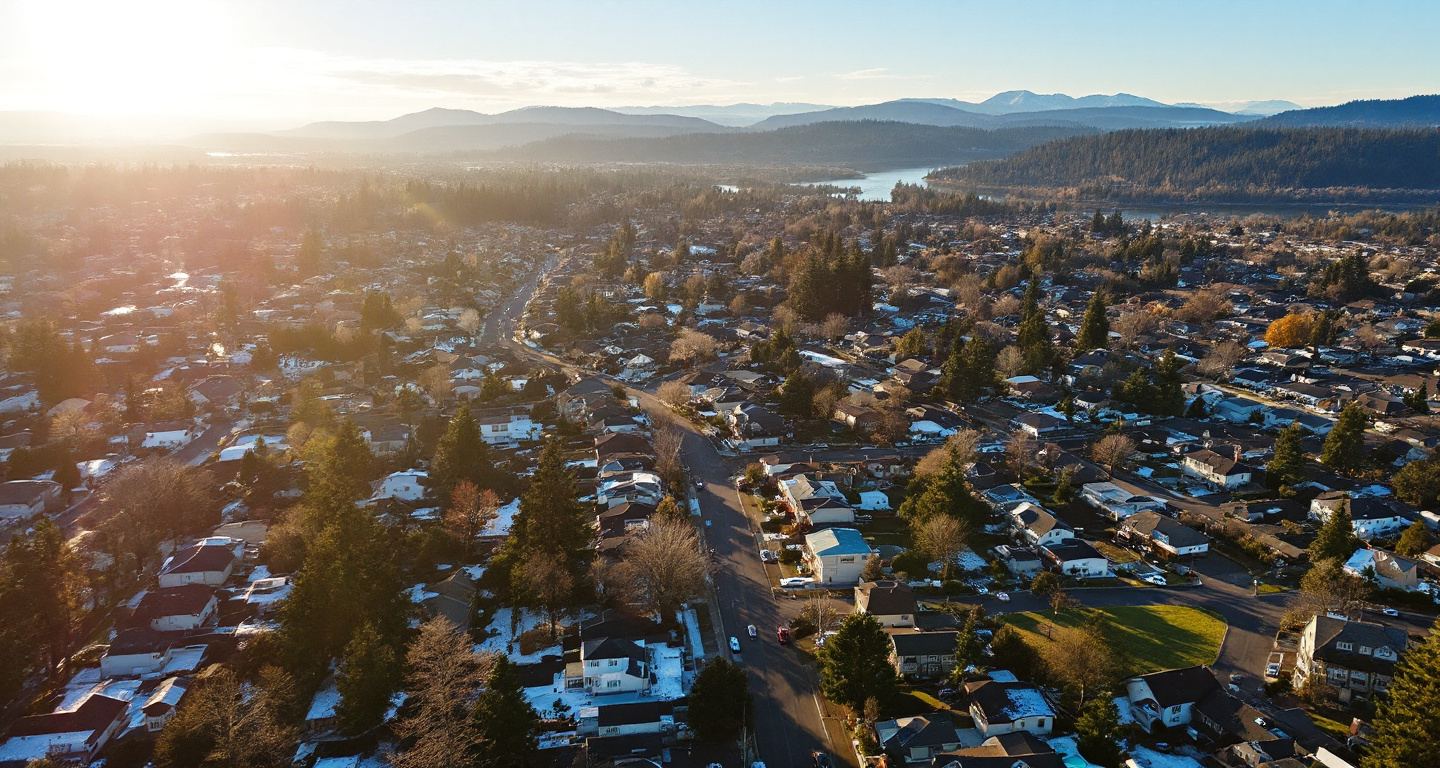
A Suburban Community With a Range of Housing Stock
Because Sunnyside developed incrementally rather than under a single master plan, the housing stock varies widely within just a few blocks. Older single-story homes on the western edge of the corridor may have original forced-air systems installed decades ago, while newer two-story homes closer to Happy Valley were often built with more modern equipment but with layouts that create distinct upstairs-downstairs temperature zones. Neither generation of home is inherently harder to heat or cool, but they call for different approaches.
The older ranch homes in particular often have ductwork that was sized for systems far less efficient than what is available today. Swapping in a modern heat pump or high-efficiency furnace without also evaluating the duct system is one of the more common and costly mistakes homeowners make in this area. Duct leakage in an older Sunnyside home can undermine the efficiency gains of a new system before those gains are ever realized. More on furnaces and boilers is in the Department of Energy furnace guide.
Terrain and the Upstairs-Downstairs Problem
The gentle but meaningful elevation gain along the Sunnyside Road corridor has two practical effects. First, homes at higher elevations toward Happy Valley experience slightly more exposure to winter wind events, which can increase heating load in ways that are not obvious from a county-average climate figure. Second, the two-story homes that predominate in newer sections of Sunnyside almost universally struggle with heat stratification: the upper floor overheats in summer and the lower floor stays cold in winter. This is not a defect in the home — it is a physics problem, and it is particularly pronounced in homes with open-plan great rooms that allow air to stack vertically.
Zoning, variable-speed air handlers, and ductless mini-split units placed strategically on upper floors are all approaches that address stratification in different ways and at different price points. Which solution fits depends on the specific floor plan and existing infrastructure of the home.
Climate Expectations Along the Sunnyside Corridor
Sunnyside sits in the Willamette Valley transition zone where marine air from the coast moderates temperatures most of the year, but cold continental air periodically pushes in from the Columbia Gorge to the north and east. Winters here are wet and overcast with extended stretches of gray, damp cold rather than sharp, sustained freezes. Summer brings dry heat that has grown more pronounced in recent decades, with occasional multi-day stretches of high temperatures that older homes were simply not designed to manage.
The practical takeaway is that Sunnyside homeowners often need real cooling capacity — not just a window unit as an afterthought — while also maintaining reliable heating for a long, mild-but-wet season. A heat pump handles both functions and suits this climate well, though a backup heating source becomes worthwhile given the occasional hard freezes that catch even well-maintained heat pumps at the edge of their efficient range. For a local example of home-comfort service in the Sunnyside area, see https://sites.google.com/view/efficiency-heating-cooling/service-areas/sunnyside.
Practical Considerations Before Any Major HVAC Decision
Homes in Sunnyside's older subdivisions frequently have crawl spaces that have not been properly sealed or insulated. Before investing heavily in equipment, it is worth having a crawl space and attic evaluated for air sealing and insulation quality. The savings from addressing those gaps first can be substantial, and they also reduce the size of the equipment a home actually needs.
Unincorporated Clackamas County has its own permitting requirements for HVAC work, and those requirements do not always mirror what neighboring jurisdictions like Happy Valley require. Anyone planning significant system changes should verify permit requirements directly with Clackamas County rather than assuming rules from a neighboring jurisdiction apply. The process is generally straightforward, but skipping the permit step creates complications at resale.
Getting the heating and cooling system right — sized correctly, with ductwork that matches, and a control strategy that accounts for two-story dynamics — pays back over years in both comfort and operating costs in a community where most homes are family-sized and utility costs are a real household line item.