Heating and Cooling in Milwaukie: What Older Eastside Homes Actually Need
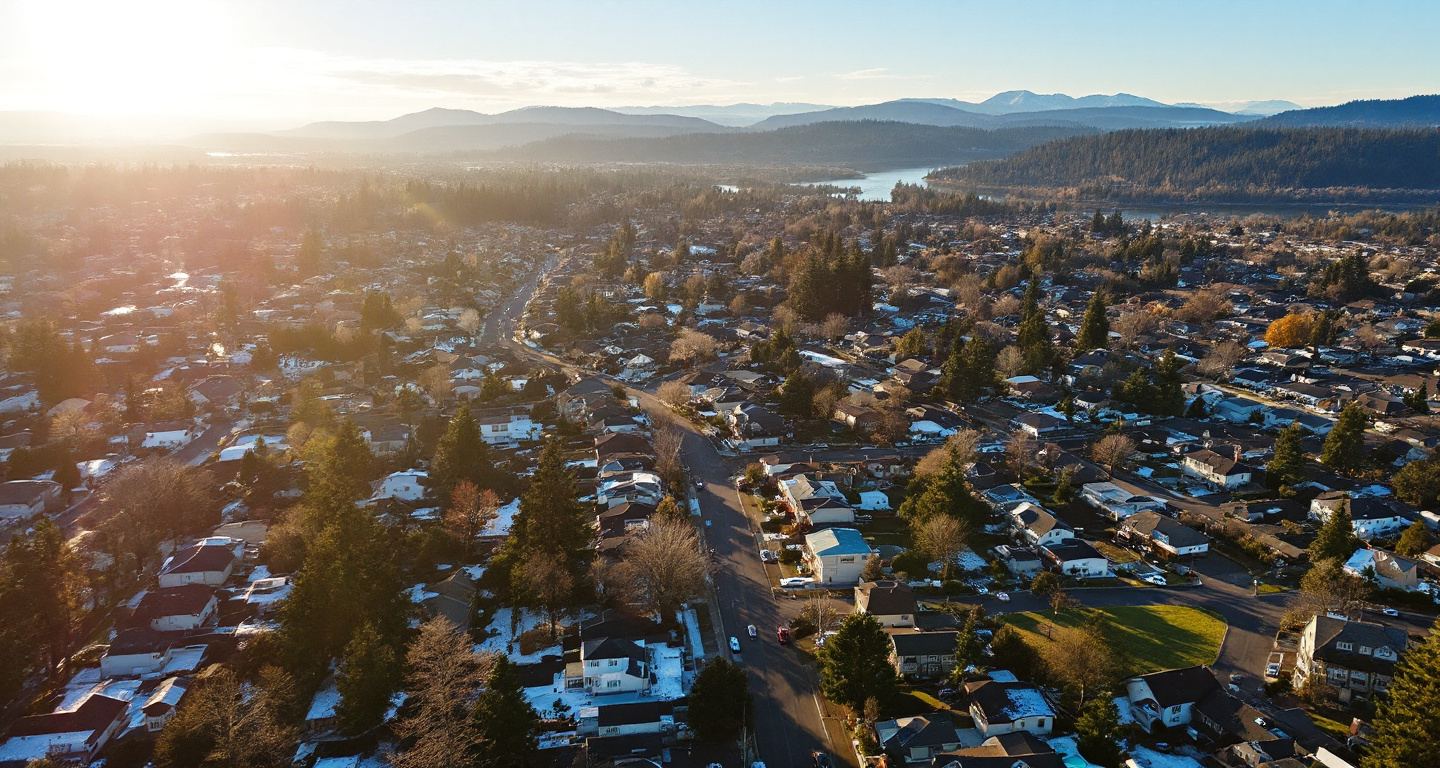
An Older Housing Stock With Its Own Logic
The homes in neighborhoods like Ardenwald, Linwood, and the historic core near Main Street were mostly built before central forced-air heating became standard. Many of these houses were heated with gravity furnaces, wall units, or baseboard electric strips added decades after original construction. Ductwork, when it exists at all, was often retrofitted through closets, dropped ceilings, and crawl spaces — and that work was done to the standards of the era, not today's.
What this means practically is that many Milwaukie homes have leaky duct systems that lose a significant portion of conditioned air before it reaches the living space, or no ducts at all in rooms added in a later remodel. Knob-and-tube-era construction also means tighter attic clearances, uninsulated wall cavities in some cases, and ceiling heights that make modest heat stratification noticeable in winter. Before considering a new furnace or heat pump, understanding what the existing distribution system can actually do is worth the time. General background on cooling systems is at https://en.wikipedia.org/wiki/Air_conditioning.
The River, Johnson Creek, and Moisture
Milwaukie's geography adds a layer of complexity that homeowners closer to the Cascade foothills don't deal with as directly. Proximity to the Willamette and to Johnson Creek — which runs through eastern neighborhoods before emptying into the river — keeps humidity elevated through much of the year, particularly in the lower-lying areas around the creek corridor and the flats near the waterfront.
For HVAC purposes, this means that moisture management is not a secondary concern. Crawl spaces under the older riverside homes can pull in ground moisture and introduce humidity into the living envelope, which makes a heating system work harder and creates conditions where indoor air quality suffers. Encapsulating a crawl space, improving drainage, and pairing a dehumidification strategy with any new system is often as important as the equipment itself in these zones. A high-efficiency heat pump in a poorly sealed crawl space home may not perform as expected simply because the building envelope is introducing more moisture load than the system was sized to handle. For a local example of HVAC service in Milwaukie, see https://sites.google.com/view/efficiency-heating-cooling/service-areas/milwaukie.
Ductless Systems and the Retrofit Argument
For the substantial portion of Milwaukie's housing stock with no ductwork or compromised ducts, ductless mini-split heat pumps have become a practical default rather than an exotic option. A ductless system eliminates duct losses entirely, installs with minimal structural disruption to a vintage home, and provides both heating and cooling from a single unit.
The cooling side matters here. Milwaukie homeowners in older homes have historically managed summer heat with window units or nothing at all, which reflects the mild character of most Willamette Valley summers. But the hotter stretches that have become more common in recent years have changed the calculus. A mini-split serving the main living area and a second unit in the bedroom wing covers most of a small vintage Milwaukie home without touching the walls or attic, and without the rental-apartment feel of window units.
For homes that do have functional ductwork, a variable-capacity heat pump paired with the existing air handler is often a better fit than replacing a furnace with another furnace. The Pacific Northwest climate suits heat pump performance well — winters here are cool but rarely brutal, and a modern system handles that range without the efficiency drop that affects heat pumps in colder climates. Bordering Southeast Portland, that area is covered at https://sites.google.com/view/efficiency-heating-cooling/service-areas/portland.
Light Rail, Infill, and What Comes Next
Milwaukie's connection to the MAX Orange Line has brought new residents and infill construction alongside the older single-family stock. Newer townhomes present different questions — better-insulated envelopes, code-required mechanical ventilation, builders who have already shifted away from gas — but the older neighborhoods are where most of the city's heating and cooling decisions still get made, often by homeowners who have lived in the same house for decades and are weighing equipment replacement for the first time.
The consistent advice for those homes is to address the building first, the distribution system second, and the equipment last. A modestly sized efficient system in a tightened, well-sealed house will outperform a larger unit in a drafty one. In Milwaukie, where the houses have character worth preserving and the river keeps the air honest, that sequence rarely changes.