Heating and Cooling in Gresham: What Eastside Homeowners Need to Know
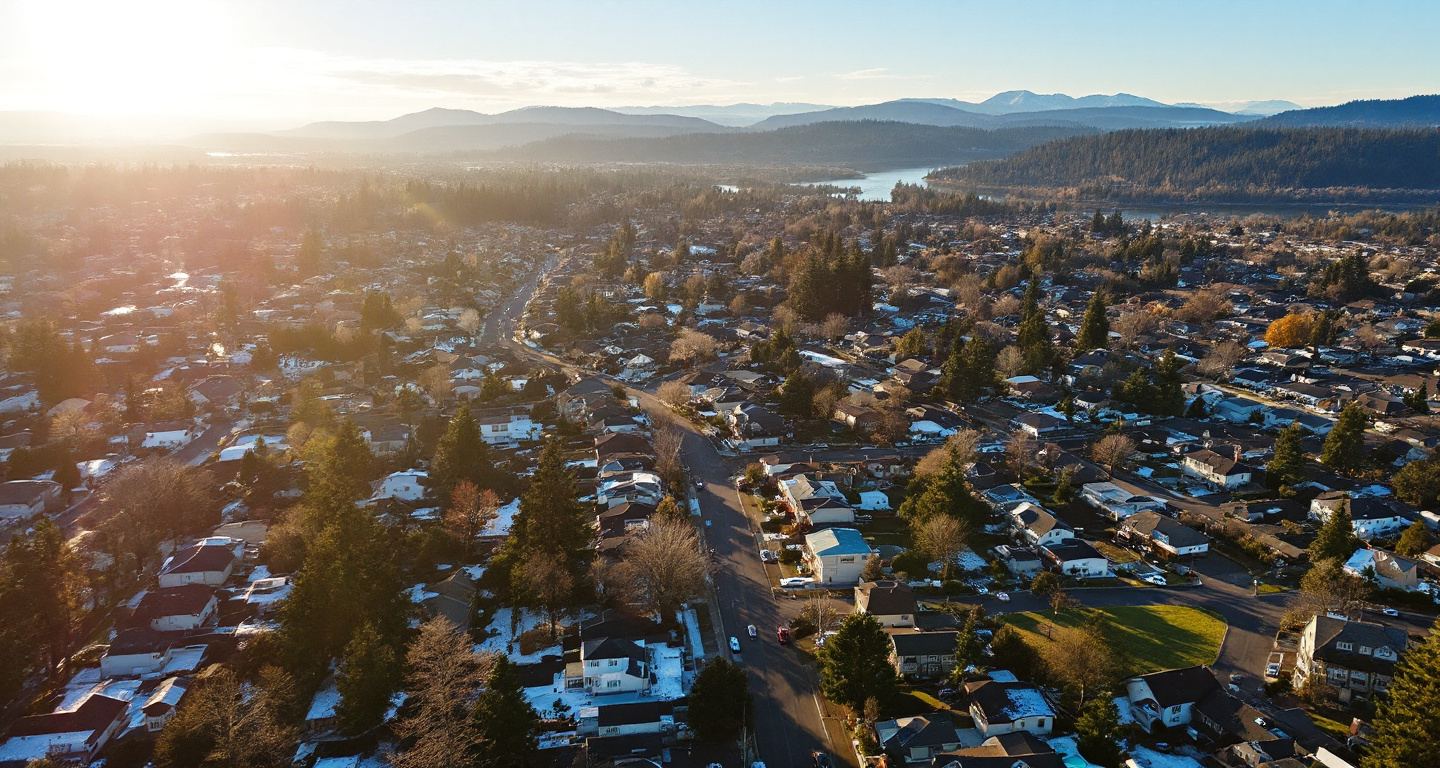
The Gorge Factor Changes Everything in Winter
Anyone who has lived in Gresham for more than one winter understands the east wind. When cold, dense air from the Columbia Plateau funnels through the Columbia River Gorge, Gresham is one of the first Metro communities to feel it. The city's position northeast of Powell Butte and within reach of the Gorge's corridor means it gets outflow events more directly than neighborhoods sheltered by the west hills or the broader valley floor. These events are not the kind of cold that most Pacific Northwest heating systems are designed for. A typical western Oregon winter runs mild and damp, which is why so many homes were built with systems that handle the average well but struggle at the extremes.
During a Gorge outflow event, overnight temperatures can drop sharply and hold for several days. For homeowners with standard air-source heat pumps — and there are many, given how well they perform through the mild baseline of a Pacific Northwest winter — this cold-snap exposure matters. Heat pumps lose efficiency as outdoor temperatures fall, and at a certain point they need backup heat to maintain comfort. Gresham homeowners choosing a heat pump system need to pay real attention to what that backup source is and whether it is sized to carry the full load during the days when Gorge wind is driving temperatures well below freezing. Background on how heat pumps perform in cold snaps is in the Department of Energy heat-pump guide.
Older Homes, Older Ducts, and the Efficiency Gap
The established neighborhoods near downtown Gresham and along the Powell Valley corridor include a lot of homes built in the mid-twentieth century. These homes were constructed when energy was inexpensive and building codes did not prioritize thermal performance the way they do now. Many of them have duct systems routed through unconditioned crawl spaces or attics, which means conditioned air passes through an environment that may be close to outside temperature before it ever reaches a living space.
Duct leakage and heat loss in these older homes can account for a meaningful share of total heating waste. A properly sized system will work far harder than it should if the distribution system is losing heat to a cold crawl space along the way. Insulating and sealing ducts in unconditioned spaces is one of the higher-return improvements available to Gresham homeowners with aging infrastructure. Attic insulation in mid-century homes is also often well below current standards. The two issues compound each other, and addressing both together produces better results than either improvement alone. For a local example of heating and cooling service in Gresham, see https://sites.google.com/view/efficiency-heating-cooling/service-areas/gresham.
Summer Comfort on a Warming Eastside
Gresham summers have grown noticeably warmer, and the combination of heat and the Gorge's east wind can produce dry, uncomfortable conditions that older homes were never designed to manage. Many mid-century Gresham homes were built without any mechanical cooling, on the assumption that a few warm weeks could be handled with open windows and a fan.
Heat events now push afternoon temperatures high enough that homes without cooling capacity or meaningful attic insulation heat up quickly and hold that heat overnight. For homeowners choosing between adding central air conditioning to an existing forced-air system and installing a ductless mini-split in homes without ductwork, the local climate argues for taking cooling seriously rather than treating it as optional. For a wider regional home-comfort overview, see https://sites.google.com/view/efficiency-heating-cooling.
Building for the Full Range, Not Just the Average
The practical lesson Gresham's location teaches is that home comfort systems here need to perform across the full range of local conditions, not just at the comfortable middle. The mild-weather average is real, but the Gorge outflow events are also real, and a system optimized only for average conditions will leave homeowners short during the weeks when the weather is most severe. Backup heat capacity, sealed and insulated ducts, adequate envelope insulation, and the ability to cool through increasingly warm summers are not luxuries in Gresham — they are the practical requirements of the climate where this city actually sits.